Market Structure · Strategy Research · Risk Management
Analyzing technology, industry, markets, and risk.
This blog focuses on quantitative strategy, derivative mechanics, macro variables, and industry change, grounding each piece in data anchors, trading constraints, and risk boundaries instead of simple market takes.
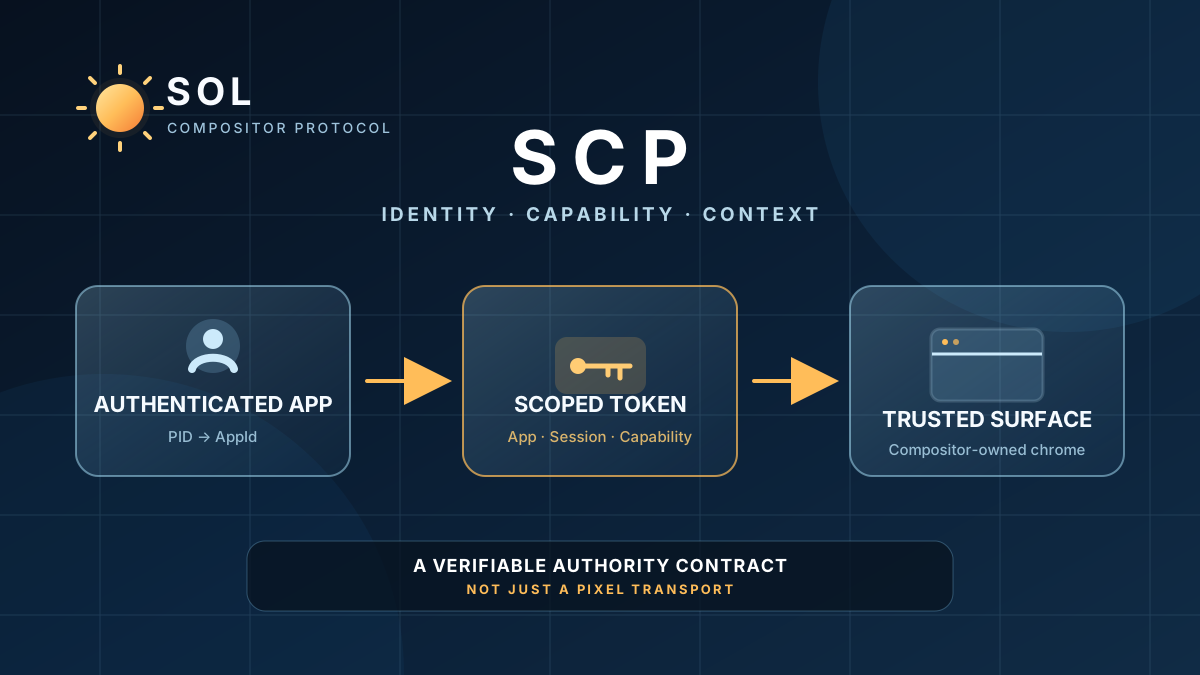
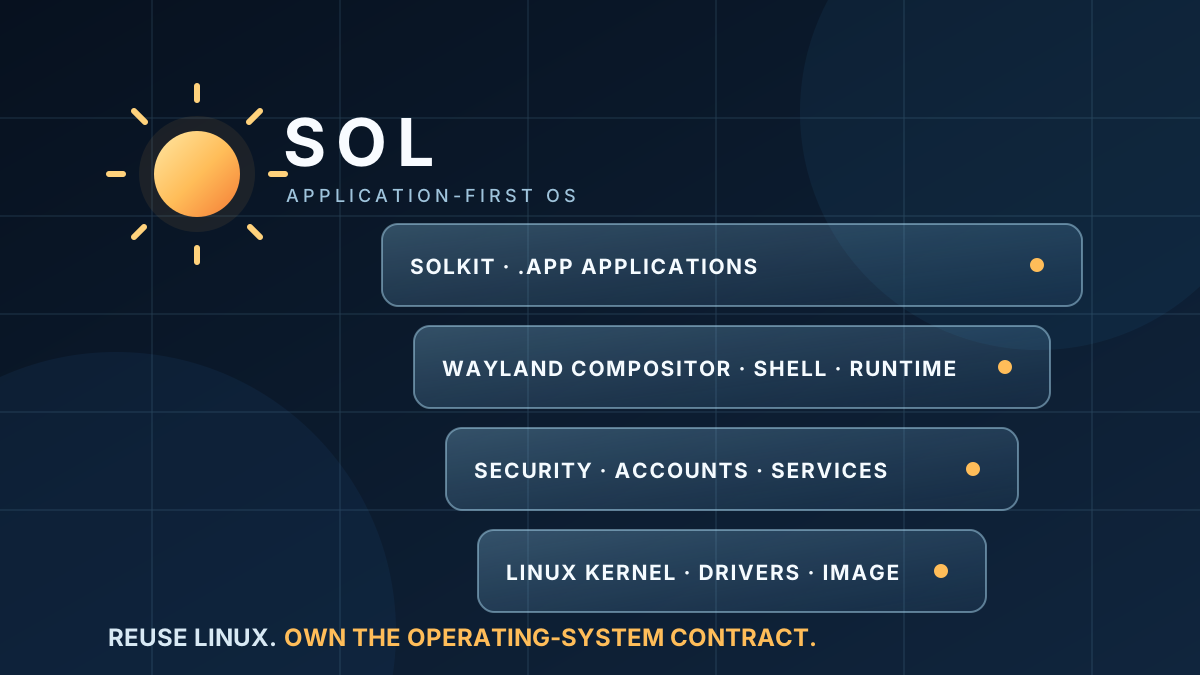
SOL Compositor Protocol is more than another window-message format. It makes application identity, capability tokens, trusted system UI, and user intent part of the compositor's native contract.
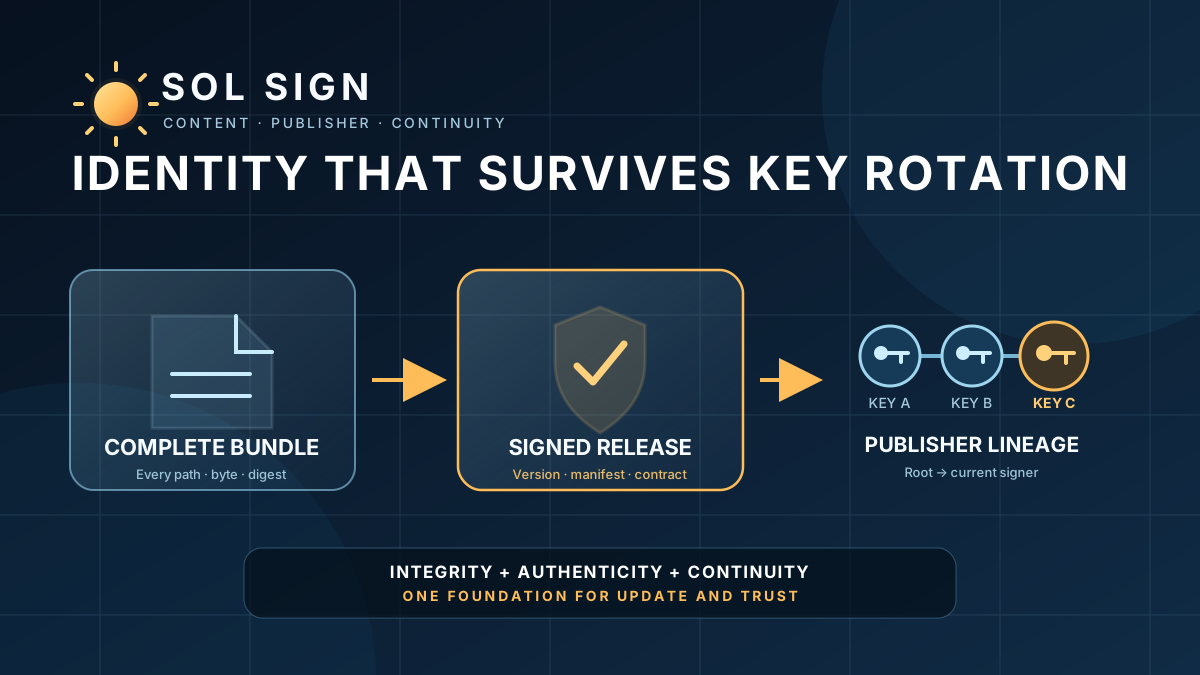
SOL signs complete bundles, versions, and minimum platform contracts, then uses publisher lineage to prove identity across key rotation so updates, rollback, permission inheritance, and revocation share one foundation.
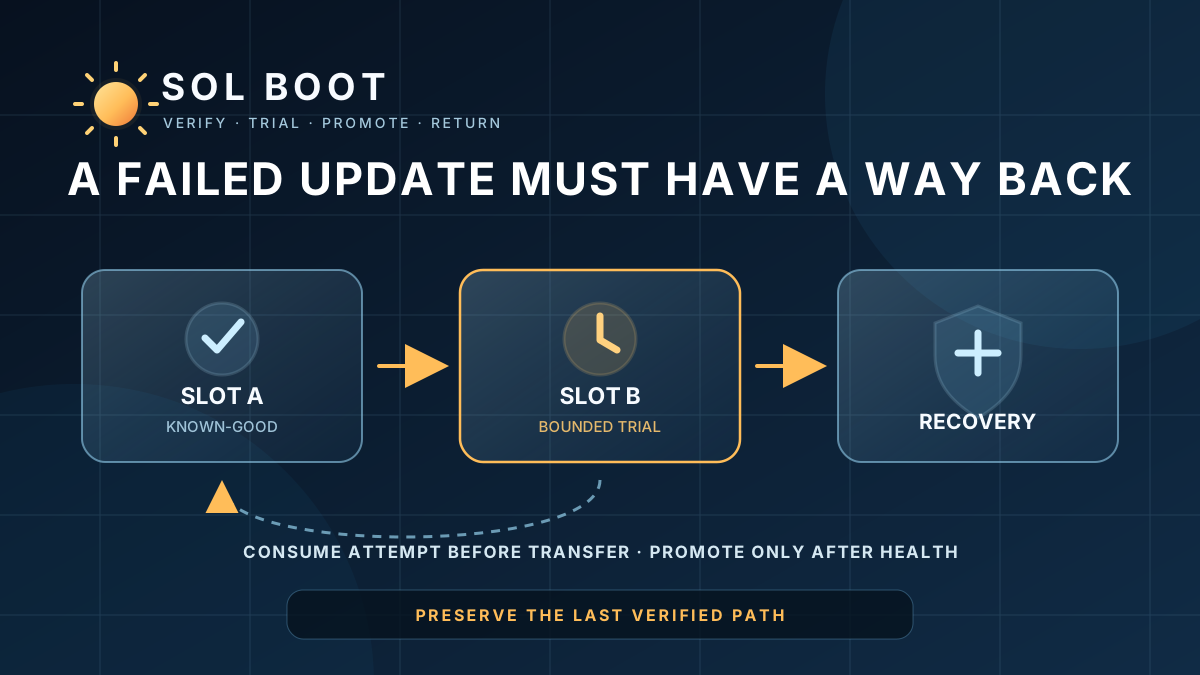
SOL models boot, update trials, success confirmation, A/B fallback, and recovery as one verifiable state machine. The goal is not merely to boot, but to preserve a known-good path after failure or power loss.
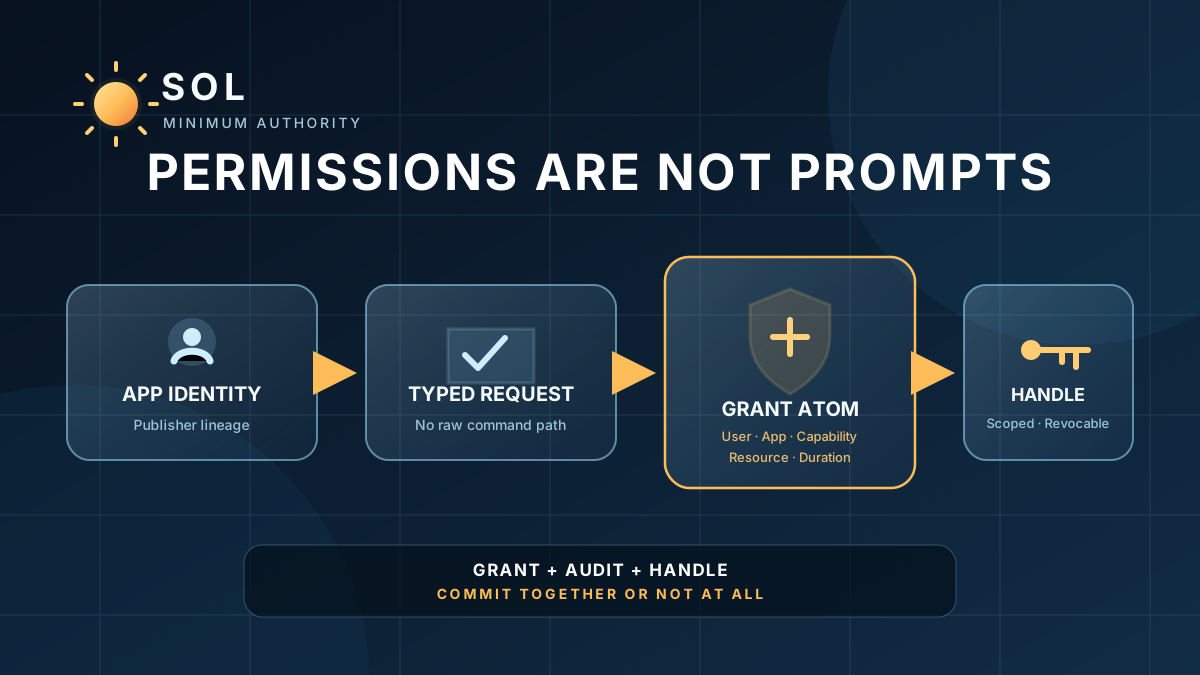
SOL begins with default denial, signed identity, typed actions, and portals. It scopes each grant by user, application, capability, resource, and duration, and requires grant, audit, and handle issuance to commit atomically.
SOL is an application-first operating system built on the Linux kernel with Rust and Wayland. Its goal is a coherent contract spanning boot, updates, permissions, the Shell, and the application SDK.
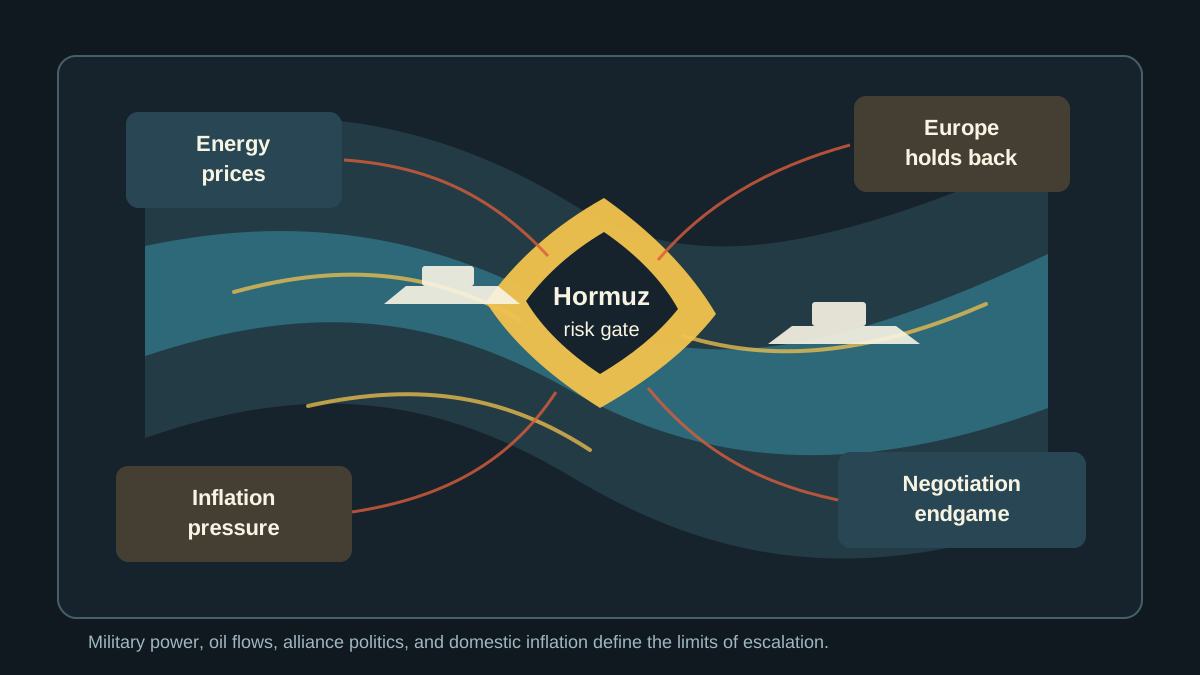
The U.S. may hold the military advantage over Iran, but the Strait of Hormuz can turn a regional war into higher fuel prices, delayed cargo, strained alliances, and a domestic political problem.